


Key strategies for parents to help with the Terrible Twos!
How on earth can it be that our precious little angels, the loves of our life and reason for being, hit the terrible twos and, almost instantly, turn so swiftly to out-and-out little sods? Crazy little humans with more than a little evidence of the devil being in control of them?!
Welcome to the terrible twos stage!
Even more fun for the loving parents and family is the way in which this behavior can be so simply and quickly turned on or off like a switch.
You can go out and ask any parent or guardian about raising children and parenting in general, even without the terrible twos thrown in, and they will tell you it is a highly challenging experience. It's one of the most demanding jobs there is! The massive upside to parenting is that it is so rewarding, culminating in an experience that can't be beaten or topped in any way. I am the proud father of two fantastic boys (with perhaps one more child on the way!) who, at the time of writing, are now 3 and 6.
The Terrible Twos does not always strike!
My first boy, Kaleb, was pretty reserved, to be honest, and happy for us, he did not give us that much grief at the terrible twos stage. He certainly had his times (what kid doesn't), but overall, he was pretty cruisy. However, my secondborn, Seth, is another matter entirely! He sure has given us ample exposure to how the terrible twos can affect the family balance for good and bad!
With the arrival of Seth came the arrival of the terrible twos! 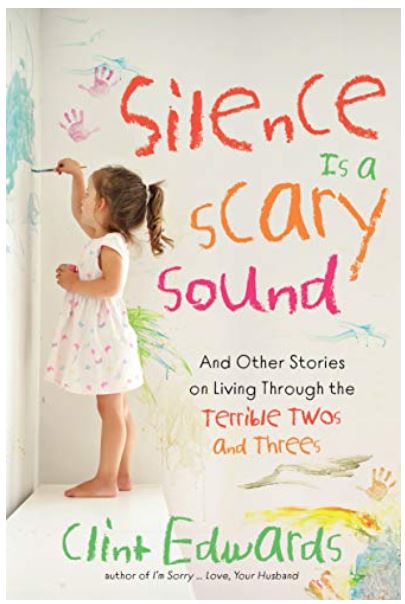
Our little man is defiant, stands up for himself, is argumentative, challenging, aggressive (without being mean! :)), noisy, mischievous, and into ABSOLUTELY EVERYTHING! He seems to have an impeccable and never-wrong radar that magnetically draws him to whatever he just shouldn't be touching or playing with - no matter where it is hidden! He also knows what he wants (at the ripe old age of 3!) and doesn't like to take a backward step or give a single inch.
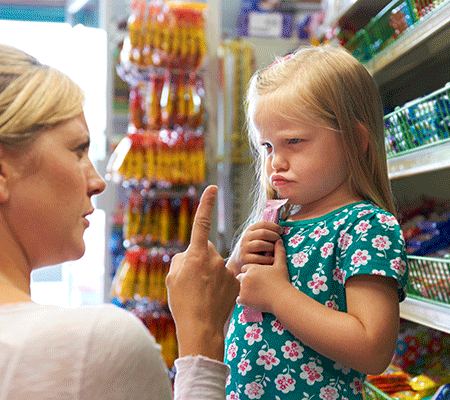
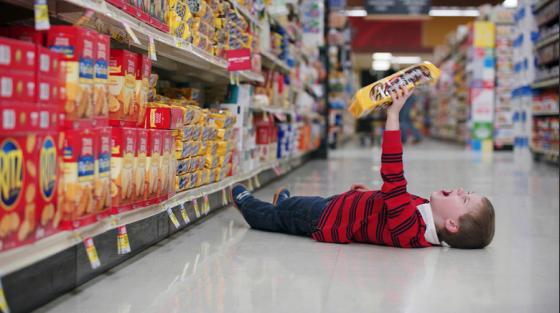
I won't even start yet about his temper tantrums and yelling (classic sign of the terrible twos)! He is also the justice commissioner of our home and the righter of all wrongs! These are all very obvious examples of the terrible twos!
Seth is also one of those children that if you can't hear what he is doing, or if it has been a while since you have seen him, then RUN and FIND HIM before it is too late or at least too messy! If you are sitting back enjoying a TV show or something and thinking how lovely the peace and quiet is and how wonderfully well-behaved your terrible twos toddler is... SNAP OUT OF IT, and go find your child! Ignore this gold parenting advice for the terrible twos child at your peril! 😄
Some of the terrible twos behavior has telltale signs and is easily noticed and observed before it happens however it is not uncommon in our house to see him running into a bedroom with hands behind his back and smiling at us from ear to ear - Captain Obvious we like to call him!
Seth is the sweetest boy; he is so cute, loving, and has a beautiful heart, but since he turned two and hit the terrible twos, how the trouble and mischief started! He is so lucky that he was born with fantastic cuteness, which has probably saved his life a few times!
But There is Light at the End of the Terrible Twos Tunnel!
I know in my heart and from personal experience that this stage will end like all challenging times in our lives, but he is definitely much more challenging to deal with than Kaleb ever was, which is why I needed extra help! Hopefully, the successful strategies and tools I have found for myself and shared with you here at The Terrible Twos will be of some assistance to you as they have been to me...
To read more about understanding and handling the terrible twos stage and get some help on how to get through this challenging terrible twos stage successfully, click the book 1-2-3 Magic below. In addition, please have a look at the helpful Parenting Information articles on my site, including this most helpful controlling terrible twos page!
I hope you find plenty of information about the terrible twos and how to handle them here, and remember, every win is a win, no matter how small!
Best of luck to you! Please feel free to submit a comment on any posts or if you have any questions or personal feedback on any of the methods or programs I have talked about on this site in dealing with the terrible twos and beyond. Sharing your success about what worked when surviving the terrible twos might be the trick to help someone else out there!
Cam
Click the image below to learn more about this fantastic Toddler Taming program!